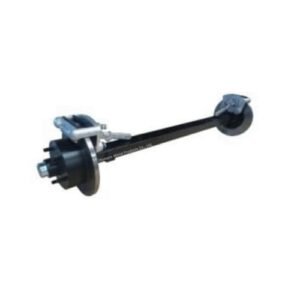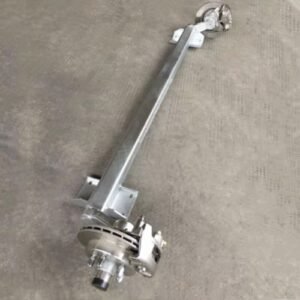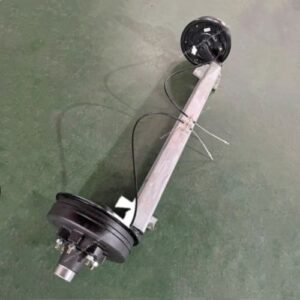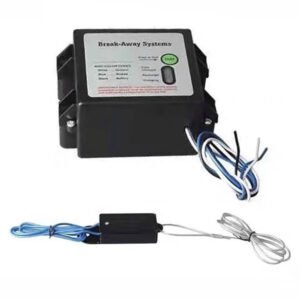
trailer axles suspension and brake system components

Category: Trailer Axles

Zhuoyue Metal supplies trailer axle solutions for OEM trailer manufacturers, including options for camper, utility, flatbed and custom trailers. Discuss axle dimensions, load requirements, mounting configurations and brake compatibility with our team to find the right solution for your project.

Trailer Axle Solutions for OEM Manufacturers

Trailer axles are an important part of a trailer’s running gear system. Selecting the right axle requires more than checking a load rating. Dimensions, mounting points, suspension configuration, wheel and tyre compatibility, and braking requirements must all be considered.

Zhuoyue Metal works with OEM trailer projects to discuss axle requirements and compatible trailer components. Share your trailer application and technical specifications with our team so we can review the appropriate options for your project.

Trailer Axle Applications

Trailer axle requirements vary according to the trailer design and intended use.

  • Camper Trailers: Axle selection should account for the trailer’s loaded weight, suspension layout, wheel and tyre specifications, and mounting requirements.

  • Utility and Flatbed Trailers: Confirm the intended payload, axle configuration, chassis dimensions, and compatibility with the complete running gear system.

  • Specialized Trailers: Equipment and custom trailer projects may require specific dimensions, mounting interfaces, or braking configurations.

How to Select the Right Trailer Axle

Before requesting a quotation, prepare the following information where available:

  1. Trailer weight requirements: Provide the expected tare weight, payload, and gross trailer weight.

  2. Axle dimensions: Share the required track width, hub-face or mounting dimensions, and relevant engineering drawings.

  3. Suspension configuration: Confirm the suspension type and axle mounting arrangement.

  4. Wheel and tyre compatibility: Specify wheel fitment and any relevant hub requirements.

  5. Braking requirements: Confirm whether the application requires braked or unbraked axles and identify any applicable market requirements.

  6. Destination market: Tell us where the trailer will be sold or used so relevant technical requirements can be reviewed.

Final axle selection should consider the ratings and compatibility of the complete trailer system, including the chassis, suspension, wheels, tyres, brakes, and couplings where applicable.

Trailer Axles and Running Gear Compatibility

Trailer axles should be selected as part of a compatible running gear system. Depending on your project, related components may include suspension kits, hub and brake assemblies, wheels and tyres, and the trailer chassis.

Explore our Trailer Running Gear solutions and Trailer Chassis & Frames to learn more about related components. Please confirm that these destination URLs match the live pages before publishing.

OEM Trailer Axle Enquiries

For an accurate quotation, send us your application, required quantities, technical drawings or key dimensions, load requirements, suspension configuration, braking requirements, and destination market.

Our team can review the information and discuss suitable supply options and component compatibility for your project.

Frequently Asked Questions About Trailer Axles

1. How do I choose the right trailer axle?

Consider the trailer’s weight requirements, axle dimensions, suspension configuration, wheel and tyre fitment, braking requirements and destination market.

2. Can trailer axles be supplied for OEM projects?

Supply options depend on the required specifications, quantities and project requirements. Share your drawings or key dimensions for review.

3. Do trailer axles need to match the suspension system?

Yes. The axle and suspension mounting arrangement must be compatible with the chassis design and intended trailer configuration.

4. What information is needed for a trailer axle quotation?

Provide the application, required quantity, key dimensions, weight requirements, suspension and braking configuration, and destination market.